

RV vs Tiny Housing: Which Alternative Living Option Is Right for You?
As housing prices continue to rise across the United States, more people are exploring alternative living options. Two of the most popular choices in the RV vs tiny house living comparison are RV living and tiny house living.
Both lifestyles focus on smaller spaces, simplified living, and reduced expenses compared to traditional homes. But while they share similar philosophies, they function very differently in practice.
If you’re deciding between RV vs tiny house living, understanding the differences in cost, mobility, maintenance, and long-term comfort can help you choose the right option.
In this guide, we’ll compare:
- Cost differences
- Mobility and travel flexibility
- Maintenance and upkeep
- Legal and zoning considerations
- Lifestyle benefits
By the end, you’ll have a clearer picture of which option fits your goals.
What Is Tiny House Living?
Tiny houses are small homes typically ranging from 100 to 400 square feet. Many are built on trailers so they can be moved, though they are usually intended to stay in one location for long periods.
Tiny houses often feature:
- Full kitchens
- Bathrooms with standard plumbing
- Loft sleeping areas
- Custom storage solutions
- Residential-style finishes
The tiny house movement focuses on minimalism, sustainability, and reducing living expenses.
What Is RV Living?
RV living involves residing in a recreational vehicle full-time or for extended periods.
RVs come in several types, including:
- Motorhomes
- Travel trailers
- Fifth wheels
- Camper vans
Unlike tiny houses, RVs are specifically designed for travel and mobility.
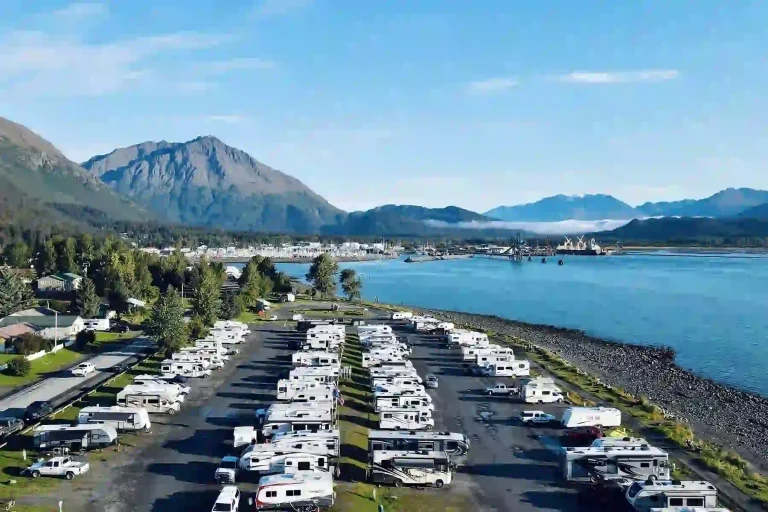
Many RV residents stay in RV parks that provide full hookups for electricity, water, and sewer connections.
Mobility: The Biggest Difference
One of the most important differences between these lifestyles is mobility.
RV Living Offers Maximum Flexibility
RVs are built for travel. You can relocate whenever you want, whether for work, seasonal weather, or personal preference.
This flexibility allows RV residents to:
- Follow job opportunities
- Travel across different states
- Explore new regions regularly
For people who value mobility, RV living offers unmatched freedom.
Tiny Houses Are Less Mobile
While many tiny houses sit on trailers, moving them frequently is not always practical.
Tiny houses are heavier and require specialized transportation. Most owners place them on rented land or private property and keep them there long-term.
This makes tiny houses closer to traditional homes than travel vehicles.
Cost Comparison: RV vs Tiny House
Cost is one of the biggest factors for people considering these lifestyles.
Tiny House Costs
Tiny houses vary widely in price depending on design and materials.
Factors affecting cost include:
- Custom construction
- Appliances
- Plumbing systems
- Land rental or purchase
Additionally, some areas require permits or special zoning approval.
RV Living Costs
RV living costs typically include:
- RV purchase or financing
- RV park site rent
- Utilities and propane
- Insurance and maintenance
Many RV residents find that monthly RV park stays provide predictable housing expenses.
Because RV parks offer utilities and infrastructure, the setup process can be simpler than establishing a tiny house on private land.
Zoning and Legal Considerations in RV vs Tiny Housing
Housing regulations vary widely across cities and counties.
Tiny House Zoning Challenges
Tiny houses often face zoning restrictions.
Some cities classify them as:
- Recreational vehicles
- Accessory dwelling units
- Non-permanent structures
This can make it difficult to find legal places to park or build a tiny home.
Land use rules vary significantly depending on location.
RV Living in Designated Parks
RV parks are designed specifically for recreational vehicles.
They already include:
- Utility hookups
- Waste management systems
- Proper zoning approval
Because of this infrastructure, living in an RV park is often more straightforward than finding legal placement for a tiny house.
Maintenance Differences: RV vs Tiny Housing
Maintenance requirements also vary between these two lifestyles.
Tiny House Maintenance
Tiny houses function similarly to traditional homes. Maintenance may include:
- Roofing repairs
- Plumbing systems
- Exterior siding
- Foundation adjustments
Because tiny houses are custom-built structures, repairs may require specialized contractors.
RV Maintenance
RVs require routine maintenance such as:
- Roof sealing
- Tire replacement
- Appliance servicing
- Water system checks
While RV maintenance is ongoing, many repairs are relatively simple and well-documented.
Space and Comfort in RV vs Tiny Housing
Tiny houses typically provide slightly more interior space than most RVs.
Tiny House Interior Layout
Tiny homes often include:
- Full kitchens with residential appliances
- Larger bathrooms
- Loft bedrooms
- Built-in furniture and storage
Because they are designed for stationary living, layouts may feel more like traditional homes.
RV Interior Layout
RVs are optimized for mobility, so interior spaces are more compact.
However, modern RVs often include:
- Slide-out sections for extra space
- Full kitchens
- Bathrooms with showers
- Convertible sleeping areas
For many residents, RV interiors feel surprisingly comfortable once organized efficiently.
Lifestyle Differences
Your daily routine may differ depending on which lifestyle you choose.
Tiny House Lifestyle
Tiny house living often involves staying in one place long-term.
Owners may:
- Build communities with other tiny house residents
- Establish permanent utilities
- Develop long-term property arrangements
This lifestyle appeals to people who want minimal living but still prefer stability.
RV Lifestyle
RV living is often more dynamic.
Many RV residents:
- Travel between regions
- Follow seasonal weather patterns
- Relocate for job opportunities
Others stay in one RV park long-term but still appreciate the option to move easily.
Who Should Choose Tiny House Living?
Tiny houses may be ideal for people who:
- Want a stationary small home
- Prefer traditional house construction
- Have access to land or tiny house communities
- Value custom home design
Tiny homes offer a balance between minimalism and residential living.
Who Should Choose RV Living?
RV living may be better suited for those who:
- Value mobility and flexibility
- Work in different locations
- Prefer lower setup costs
- Want easier housing logistics
Many workers and travelers choose RV living because it allows them to relocate without buying or building property.
Why Texas Is Ideal for RV Living
Texas is one of the most RV-friendly states in the country.
Advantages include:
- Mild winters
- Strong highway networks
- Growing job markets
- Numerous RV parks
Central Texas offers the perfect combination of peaceful surroundings and access to larger cities.
This makes it an excellent region for long-term RV living.
So Which Is Better: RV or Tiny House?
Both lifestyles offer unique advantages.
Tiny houses provide:
- A stationary small home
- Customizable design
- More residential-style interiors
RV living offers:
- Mobility and flexibility
- Easier zoning through RV parks
- Lower upfront setup complexity
For people who want the ability to move, travel, or adapt to changing work opportunities, RV living often provides more freedom.
Looking for a Comfortable Place to Enjoy RV Living?
If you’re considering RV living in Central Texas, choosing the right location can make all the difference.
- Full hookup RV sites
- Monthly stay options
- Quiet surroundings away from city congestion
- Easy access to Central Texas highways
Whether you’re relocating for work, exploring a flexible lifestyle, or simply looking for a peaceful place to stay, Rockdale RV Park provides a comfortable home base.
Contact Rockdale RV Park today and experience the freedom of RV living in Central Texas.