



If you’re new to RV living, one task probably makes you the most nervous:
Dumping your RV tanks.
It sounds intimidating. It might even feel overwhelming at first.
But the truth is — once you understand the process, dumping your RV tanks becomes routine and manageable.
In this guide, we’ll walk you through:
- What RV dump stations are
- The difference between black and gray tanks
- How to dump your tanks step by step
- Common beginner mistakes
- Safety and sanitation tips
- How full hookup RV sites simplify everything
Whether you’re traveling through Texas or staying long-term at an RV park, this guide will help you feel confident.
What Is an RV Dump Station?
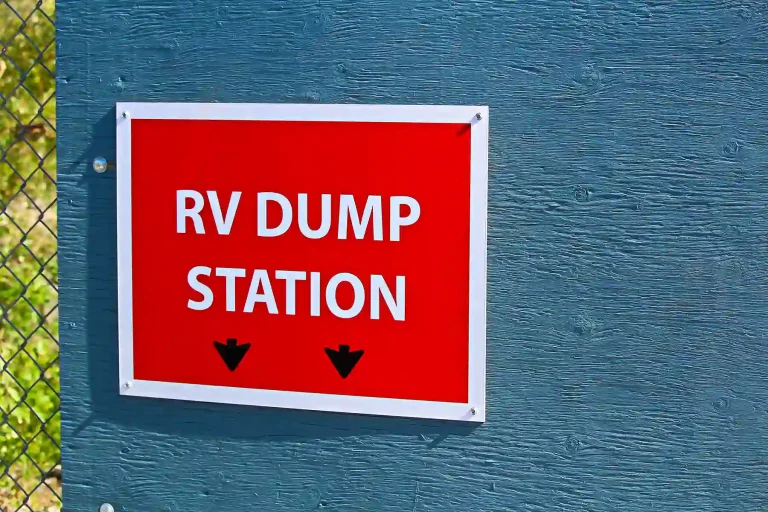
An RV dump station is a designated area where you empty your RV’s wastewater tanks.
Your RV typically has:
- Black tank – holds toilet waste
- Gray tank – holds sink and shower water
Dump stations allow you to safely empty both tanks into a proper sewer system.
There are two main types:
- Public dump stations (often at truck stops, campgrounds, or travel centers)
- Full hookup RV sites (where sewer is connected directly at your campsite)
If you’re staying at a full hookup site, you may not need to visit a separate dump station at all.
What’s the Difference Between Black and Gray Tanks?
Understanding your tanks makes the dumping process less stressful.
Black Tank
The black tank stores toilet waste.
It requires:
- Regular emptying
- Tank treatment chemicals
- Proper flushing
This tank should always be dumped first.
Gray Tank
The gray tank stores wastewater from:
- Sinks
- Shower
- Bathroom faucet
Gray water contains soap and food residue but not sewage.
The gray tank is typically dumped second — and it helps rinse out your sewer hose.
How Often Should You Dump Your RV Tanks?
This depends on:
- Number of people in your RV
- Tank size
- Water usage habits
For full-time RVers, dumping once per week is common.
However, many wait until tanks are about two-thirds full. This helps solids flow out more effectively.
Avoid dumping too frequently when tanks are only partially full, as it can lead to buildup in the black tank.
Step-by-Step: How to Dump RV Tanks Safely
Here’s the beginner-friendly method.
Step 1: Wear Disposable Gloves
Always wear gloves when handling sewer hoses.
Even clean systems can carry bacteria.
Step 2: Connect the Sewer Hose Securely
- Attach one end to your RV’s sewer outlet
- Attach the other end securely into the sewer inlet at the dump station or full hookup site
Make sure both ends are tightly connected before opening any valves.
Step 3: Open the Black Tank Valve First
Slowly pull the black tank valve handle.
Allow the tank to drain completely.
You may hear a rush of flow initially — that’s normal.
Step 4: Close the Black Tank Valve
Once empty, fully close the valve before proceeding.
Step 5: Open the Gray Tank Valve
Now open the gray tank valve.
This rinses the sewer hose with soapy water, helping clean it.
Step 6: Close Gray Tank Valve
Once drained, close it securely.
Step 7: Disconnect and Store Hose
- Carefully disconnect hose
- Rinse exterior if water is available
- Store in designated compartment
Dispose of gloves and wash hands thoroughly.
That’s it.
What Is a Full Hookup Site — and Why It’s Easier
At a full hookup RV site, your sewer connection is located directly at your campsite.
That means:
- No driving to a dump station
- No waiting in line
- No extra trips
You can connect your sewer hose once and manage dumping as needed.
For long-term stays, this makes RV life much simpler.
Common Beginner Mistakes to Avoid
Leaving the Black Tank Valve Open
Never leave your black tank valve open continuously.
This allows liquid to drain while solids remain behind — causing buildup and clogs.
Keep it closed until ready to dump.
Forgetting to Use Tank Treatment
Black tanks benefit from treatment chemicals that:
- Break down waste
- Reduce odor
- Prevent buildup
Always add treatment after dumping and flushing.
Not Using Enough Water
Using too little water when flushing can lead to solid buildup.
Adequate water helps waste flow properly into the tank.
Dumping Tanks in the Wrong Order
Always dump:
- Black tank first
- Gray tank second
This ensures the hose gets rinsed with gray water.
Do You Need Special Equipment?
Basic RV sewer dumping equipment includes:
- Heavy-duty sewer hose
- Clear elbow connector (to see flow)
- Disposable gloves
- Tank treatment chemicals
- Hose support (optional but helpful)
Most of this equipment is affordable and lasts for years with proper care.
What If You’re Using a Public Dump Station?
If you’re traveling and not staying at a full hookup site:
- Arrive prepared with your hose
- Follow posted instructions
- Be efficient — others may be waiting
- Clean the area after use
Always leave the station as clean as you found it.
Is Dumping Tanks Dangerous?
When done correctly, no.
It’s a routine part of RV living.
As long as you:
- Wear gloves
- Secure connections properly
- Follow proper order
- Wash hands afterward
The process is sanitary and safe.
How to Prevent Tank Odors?
Odors are usually caused by:
- Poor tank maintenance
- Lack of water
- Infrequent dumping
To reduce smells:
- Use tank treatments
- Keep valves closed between dumps
- Ensure proper venting
- Use enough water when flushing
Well-maintained tanks rarely produce strong odors.
How Long Does It Take to Dump Tanks?
For most RVs:
-
5 to 10 minutes total
With practice, the process becomes quick and automatic.
Many full-time RVers treat it as just another small weekly task.
Why Full Hookup RV Parks Make RV Living Easier
For beginners especially, choosing a park with full hookups removes stress.
Instead of:
- Searching for dump stations
- Scheduling dump trips
- Managing overflow concerns
You simply dump at your own site.
That convenience becomes especially valuable during long-term stays.
Is Dumping Tanks the Hardest Part of RV Living?
For many beginners, it feels that way at first.
But after your first few times, you’ll realize:
- It’s structured
- It’s predictable
- It’s manageable
Most RVers quickly gain confidence once they understand the steps.
Don’t Let Dumping Tanks Intimidate You
RV living involves small responsibilities — but they’re straightforward once you learn them.
Dumping your tanks safely is simply part of the routine.
With the right setup, especially at a full hookup site, the process becomes quick and stress-free.
Make RV Living Easier From Day One
If you’re new to RV life or planning a longer stay in Central Texas, choosing a full hookup RV park makes all the difference.
At Rockdale RV Park, residents enjoy:
- Full sewer, water, and electric hookups
- Monthly stay options
- Easy access to highways
- A peaceful, well-managed environment
No searching for dump stations. No unnecessary stress. Just practical, comfortable RV living.
Contact Rockdale RV Park today and experience a simpler way to stay long-term in Texas.