



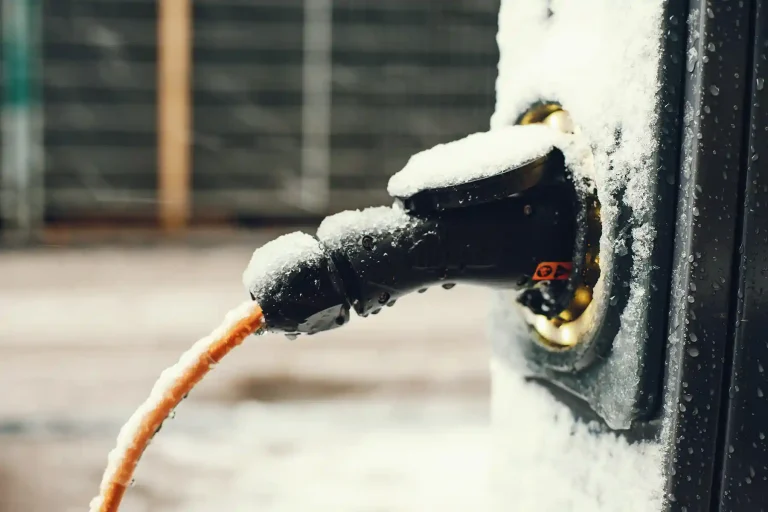
Frozen Pipes Are Still a Risk During Texas Winters
Many RVers assume frozen pipes are only a concern in northern states, but Texas winters can be just as problematic when it comes to RV plumbing. Sudden cold fronts, overnight temperature drops, and strong winds can freeze pipes quickly, even if daytime temperatures feel mild.
Unlike residential homes, RV plumbing systems are more exposed to outdoor air. Pipes often run through exterior compartments or under the RV, where cold air and wind reach them easily. This exposure means frozen pipes can occur faster than expected, especially during short but intense cold snaps.
Understanding how and when pipes freeze is the first step to preventing costly damage.
Why RV Plumbing Freezes Faster Than House Plumbing
RV plumbing systems are built for mobility, not long-term cold exposure. Water lines are typically thinner and less insulated than household plumbing. Many pipes run along exterior walls, through storage compartments, or underneath the RV where wind chill accelerates heat loss.
Even when the interior of the RV feels warm, the underbelly can be significantly colder. This temperature difference is often what causes pipes to freeze overnight, particularly when the RV is parked in an open or windy area.
Knowing When You Need to Take Action
Not every cool night requires freeze protection, but Texas RVers should stay alert when overnight temperatures approach or drop below freezing. Cold that lasts several hours, combined with wind, increases the risk significantly.
The biggest mistakes usually happen when RVers underestimate a short cold snap. Light preparation before temperatures drop is far easier than dealing with frozen or burst pipes afterward.
Protecting Your Fresh Water Hose and Hookups
The water hose is one of the most vulnerable parts of an RV plumbing system. Exposed hoses freeze faster than interior pipes, especially when temperatures drop overnight.
During winter, insulated or heated hoses provide added protection, but many Texas RVers choose to disconnect their hose completely during freezing conditions. This simple step eliminates the risk of hose damage altogether. Insulating the spigot connection is also important, as this area is directly exposed to cold air.
Keeping Interior Water Lines Warm
Inside the RV, many water lines are hidden behind cabinets or run along exterior walls. During cold nights, opening cabinet doors allows warm air from the living space to circulate around the pipes.
Maintaining a steady interior temperature is equally important. Letting the RV cool down too much overnight can increase freezing risk, even if daytime temperatures rise again. A consistent, moderate heat level provides better protection than cycling between warm and cold.
Reducing Cold Air Flow Under the RV
Wind moving beneath the RV is one of the biggest contributors to frozen pipes. Blocking this airflow helps stabilize temperatures around plumbing and tanks.
Temporary skirting, foam boards, or wind barriers can significantly reduce heat loss without requiring full winter skirting. For most Texas winters, blocking wind is more effective than heavy insulation.
Managing Holding Tanks During Cold Weather
Frozen holding tanks can be harder to fix than frozen pipes. Keeping black and gray tanks closed until dumping helps prevent freezing by retaining warmth inside the tanks.
Dumping during warmer daytime hours reduces risk, while leaving valves open overnight exposes tank contents to cold air. Consistent tank management is especially important during extended cold spells.
When and How to Use Heat Tape
Heat tape can be useful for exposed pipes during prolonged freezing conditions, but it should be used carefully. Only RV-safe, temperature-regulated heat tape should be considered, and it should never overlap or be left unchecked.
In most Texas winters, heat tape is unnecessary unless temperatures stay below freezing for an extended period. For short cold snaps, insulation and airflow control are usually enough.
What to Do If You Suspect Frozen Pipes
If water flow slows or stops, turn off the water supply immediately. Gradually increase interior heat and allow warm air to circulate around affected areas. Avoid using open flames or high heat, as this can damage pipes and fittings.
Slow, controlled warming helps prevent cracks or leaks once pipes thaw.
Winter RV Living at Rockdale RV Park
Rockdale RV Park offers a stable environment for winter RV living, with full hookups, level sites, and a quiet setting. These features make it easier to manage cold-weather preparation and reduce stress during winter stays.
Many guests choose Rockdale for extended winter stays because Central Texas winters are manageable with the right preparation.
Final Thoughts
Preventing frozen pipes in an RV during Texas winters does not require extreme winterization. Awareness, airflow control, consistent heat, and simple preparation go a long way in protecting your plumbing.
With the right approach, winter RV living can remain comfortable, affordable, and worry-free.